Insights Blog
E-Bike Motor Not Working? A Step-by-Step Troubleshooting Checklist
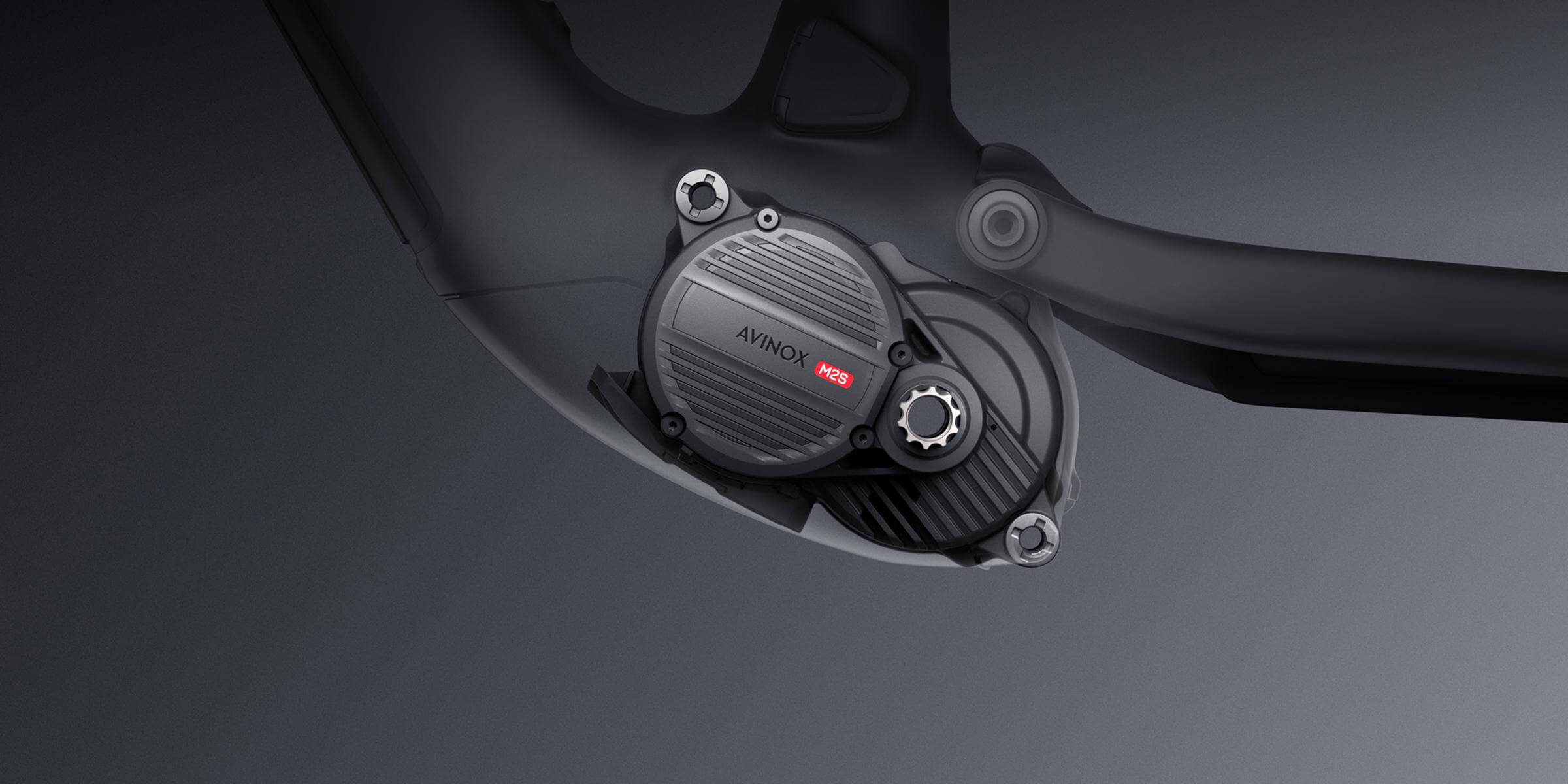
When your e-bike motor stops working, the fix is usually simpler and cheaper than you fear. Many no-power and no-assist problems trace back to a battery connection, a stuck brake sensor, or a loose cable, not a dead motor. This checklist walks you through the checks in order, from the quick wins to the deeper tests, so you can find the cause without replacing the wrong part.
Safety first: stop and do not keep riding if you smell burning plastic, see smoke, or feel extreme heat from the motor or battery. Move out of traffic, switch the bike off, and let hot parts cool before you inspect anything.
Start Here: The 2-Minute Checklist
Many electric bike not working cases are solved by one of these quick checks, so run them first:
-
Confirm the battery is charged and its power switch is on.
-
Reseat the battery in its cradle and wipe the contacts clean.
-
Fully release both brake levers and give each one a squeeze and release.
-
Scan for loose or unplugged cables at the display, controller, and motor.
-
Test the throttle and the pedal assist separately to see which one fails.
-
Read the display and note any error code.
-
Power-cycle the bike (off, then on) to clear a temporary fault.
If the bike is still dead or still will not move, work through the sections below in order.
First, Match the Symptom to the Cause
Before you open anything, name the symptom. The same part can fail in different ways, so the pattern points you to the right system instead of guessing at an expensive part.
| Symptom | Likely systems | Start with |
|---|---|---|
| No power at all (display will not turn on) | Battery charge or seating, main fuse, charger | Charge, reseat the battery, check the fuse |
| Powers on but will not move | Brake cutoff sensor, throttle, pedal-assist sensor, motor cable | Release both brake levers, then test throttle vs. pedal assist |
| Cuts out or loses power mid-ride | Battery connection or voltage sag, thermal cutoff, brake sensor | Note when it happens (climb, bump, or heat) |
| Assist stutters or surges | Cadence or torque sensor, speed sensor, loose connector | Check the sensor gap and the connectors |
Write down the battery level, terrain, weather, assist level, whether you used the throttle, and whether the display stayed on. That context usually points to the next step.
Stop and get help right away if the battery case is hot or swollen, the motor smells burned, a connector looks melted, or the same error code returns after a restart.
Check the Battery and Power Supply
The battery is the first suspect for a dead e-bike. Confirm it is charged, its own power button is on, and it is locked fully into the mount. A battery can look seated but still miss contact, so pop it out and click it back in. Wipe the terminals and the bike-side connector to clear dirt or corrosion.
Plug the charger into the wall and the bike. A charger indicator light confirms the outlet is live and the charger works. No light on any outlet points to a dead charger rather than the bike.
Test the Battery Voltage With a Multimeter
Set a multimeter to DC volts and touch the probes to the battery's output terminals with the pack switched on. Compare the reading to the rated voltage. A fully charged 48V pack should read well over 41V, and a reading three to four volts below the rating signals a depleted or damaged pack. You can also probe the charger's output plug, which should read slightly above nominal, around 42V on a 36V system.
Check for a Tripped Fuse or Breaker
Higher-powered bikes often have an inline fuse or a small breaker near the battery. Check whether it has blown or tripped, and replace a blown fuse with one of the same rating.
Wake a Deeply Drained Battery
A battery that was run flat can drop into a protective sleep mode and refuse to wake instantly. Leave it on the charger for six or more hours, then try again. If the charger reads full or flashes an error the moment you plug in, or the voltage stays far below rating after a long charge, the pack likely has a failing cell or a fault in its management system.
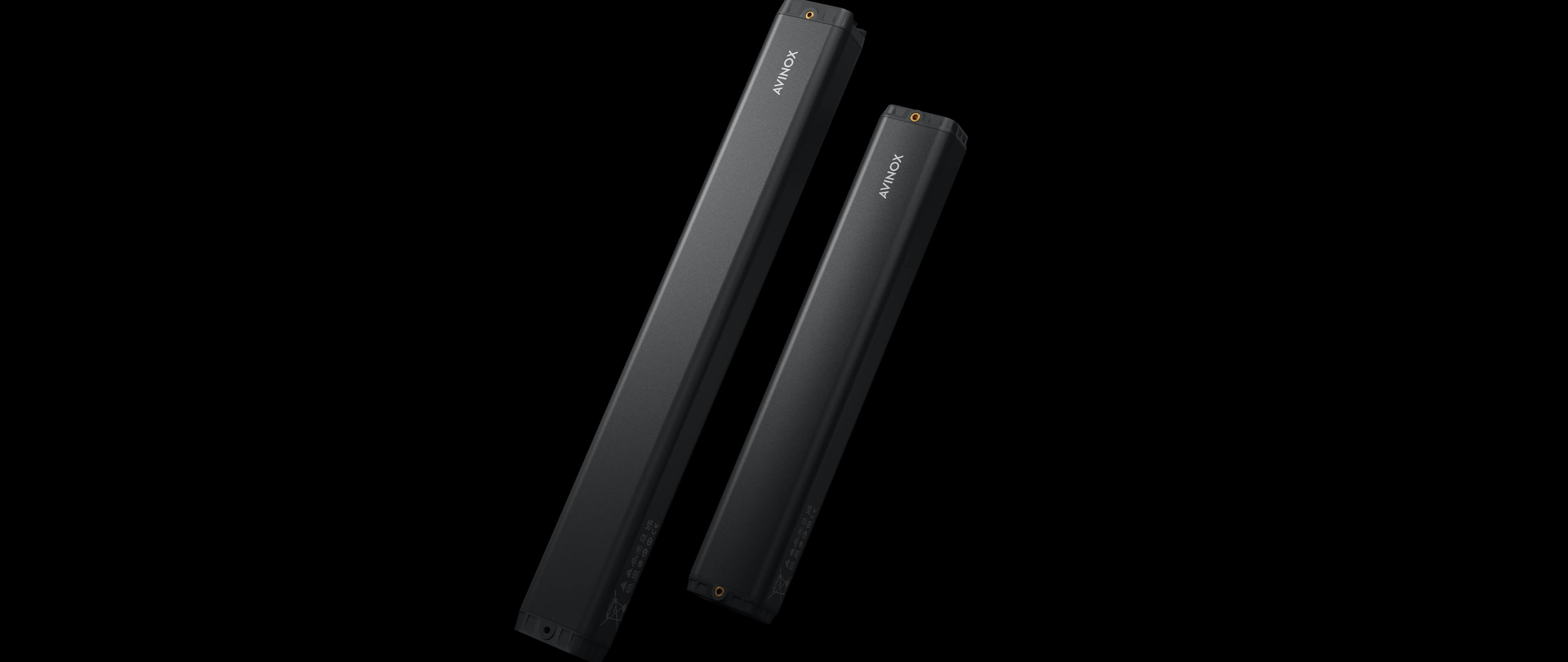
One more mid-ride pattern to watch for is voltage sag, where the pack's voltage drops sharply under a heavy load such as hard acceleration or a steep climb, and the bike cuts power for a moment. That points to a tired battery or a weak connection rather than the motor. Some systems track this for you: the Avinox battery health management system runs real-time health assessments and alerts, which helps you tell a genuinely weak cell from a loose contact before you reach for a multimeter.
Inspect the Connections and Wiring
Loose and damaged connections are a common reason an e-bike motor stops working. Trace each cable from the handlebars down to the controller, battery, and motor. Look for cuts, pinches near the steering stem or chainstay, corrosion, or water sitting inside a plug. Unplug the main motor cable, check for bent or broken pins, then reseat it firmly.
When you test a connector, support the plug housing rather than pulling on the cable, since tugging the wire can create a new break. And remember that a water-resistant rating is not an invitation to pressure-wash the bike, which can force water past the seals.
Check the Sensors and Controls
If the display lights up but the motor will not engage, the problem usually sits between the controls and the motor. These are common culprits, so check them before you suspect the motor itself.
Brake Cutoff Sensors
Most e-bikes cut motor power when you pull a brake lever. A lever that sticks, sits slightly bent, or has a stuck sensor tells the controller the brake is engaged, which disables both throttle and pedal assist. Release both levers fully, squeeze and release each one while listening for a faint click, and inspect the sensor connectors. If you are comfortable doing so, disconnect one brake sensor at a time to see whether power returns.
Throttle
Inspect the throttle wire for damage and make sure the throttle moves freely and returns on its own. To isolate it, lift the rear wheel off the ground and twist the throttle. If the wheel spins, the motor and controller are fine and the fault lies elsewhere.
Pedal-Assist (Cadence) Sensor
The pedal-assist sensor reads a magnet ring on the crank to tell the controller you are pedaling. It needs a gap of roughly one to three millimeters to read the magnets. Check that the ring has not shifted, that no magnets are cracked or missing, and that dirt is not blocking the signal. Many sensors have a small indicator light that should react as the magnets pass. Reseat and clean the sensor, then confirm its connector is fully plugged in.
Speed Sensor
If the controller cannot read wheel speed reliably, it may reduce or cut assist as a safety measure. Check that the spoke magnet and the sensor are aligned and close enough to register each pass.
Read the Display and Error Codes
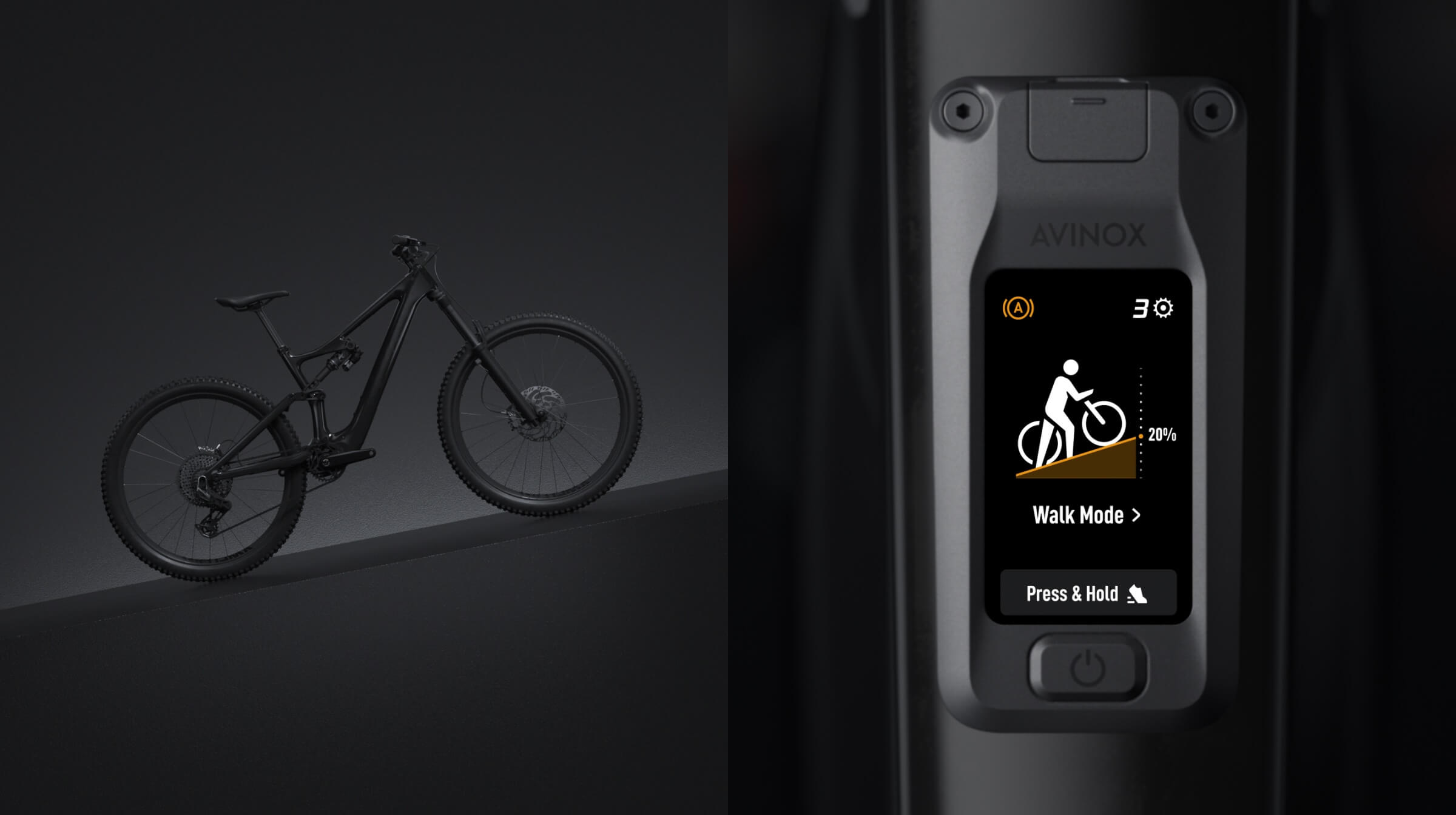
A display error code is a direct clue from the controller, so note the exact code, restart the bike, and look the code up in your manual or the manufacturer's app. A faint click from the controller when you power on often means it is receiving power but detecting a fault that shuts it down for safety.
For e-bike brands that integrate Avinox’s high-performance mid-drive system, this step is more direct. The system runs an automatic health check at power-on, and when it detects a malfunction the control display shows an alert with an audible beep while the Avinox Ride app gives you an error-status brief and self-diagnosis recommendations you can act on. That turns a vague error code into a clear next step and less guesswork.
Motor Cutting Out? Overheating and Protection Modes
If your electric bike motor is cutting out rather than staying dead, a protection mode is often doing its job. On a long climb in warm weather, the motor can get hot enough to trigger a thermal cutoff, so the bike runs fine for the first part of the climb, cuts power, then returns after a few minutes of rest. The tell is that it happens under sustained load and clears on its own once things cool.
Ease off the highest assist mode, let the motor cool, and treat repeated hot-climb cutouts as a heat and load issue rather than a random electrical fault. Pair this with the voltage-sag check above, since a tired battery produces a similar mid-ride drop.
How to Hard Reset Your E-Bike
A system reset clears temporary controller errors. Turn the bike fully off, unlock and remove the battery from its mount, wait 30 to 60 seconds, then reconnect it and power on. Some models reset when you hold the power button for about ten seconds. If the bike stays connected to an app, check for a firmware update as well, since a software fix sometimes resolves an odd fault. Check your manual for the reset steps specific to your model.
How to Tell If Your E-Bike Motor Is Bad
A failed motor is less common than a battery, sensor, or wiring problem, so rule out the cheaper causes first. With the battery charged and connected, listen as you apply power: grinding, clunking, or no response at all with everything else confirmed points toward the motor. Spin the wheel by hand with the bike off to feel for unusual resistance or a dragging sound. Jerky, stuttering power can signal a failed hall sensor inside the motor, which often shows up as a specific error code. A burning smell or a motor that runs very hot is another red flag. If the throttle test spins the wheel but the bike will not drive under load, the controller is the more likely suspect than the motor.
Common Troubleshooting Mistakes to Avoid
A lot of wasted money comes from testing the wrong thing in the wrong order. Avoid these:
-
Replacing the display first because it went dark, when the cause is usually battery contact or a protection cutoff.
-
Ignoring the brake sensors, since a stuck cutoff can look exactly like a dead motor or controller.
-
Testing only at rest, because many batteries look fine until they are under load.
-
Tugging on wires to check for looseness and creating a fresh break.
-
Washing the bike aggressively and forcing water past the seals.
When to Stop and Call a Professional
Some faults are quick home fixes, and some are not worth the risk. Use this guide to decide.
| Situation | Typical signs | What to do |
|---|---|---|
| Simple DIY fix | Battery not seated, switch off, tripped breaker, loose connector, deeply drained battery | Reseat, switch on, and charge for six or more hours |
| DIY with tools | Dirty or corroded contacts, blown inline fuse, minor wire damage | Clean contacts, replace the fuse with the same rating, repair the wire |
| Professional service | Zero or very low battery voltage, a swollen battery, controller error codes, an internal motor fault, or water inside core parts | Stop and contact authorized service |
Do not open a sealed battery pack or dig into a controller without the right experience, since lithium-ion packs carry a fire risk and the work can void your warranty. If a local shop will not service a bike it did not sell, contact the manufacturer's support line, which can supply genuine parts and model-specific guidance.
How to Prevent Future Motor Problems
A little routine care prevents most no-start and cutout headaches:
-
Store the battery in a cool, dry place at roughly 50 to 80 percent charge, and use only the charger that came with the bike.
-
Every few months, disconnect, inspect, and clean the battery and motor contacts, and add a light film of dielectric grease to metal connectors.
-
After a wet ride, dry the display, charging port, and connectors with a soft cloth.
-
Book an annual tune-up so a technician can check the battery management system, inspect the wiring, and update the firmware before a small issue becomes a breakdown.
Looking for a smarter, more integrated e bicycle motor for your next e-bike?
Avinox provides high-performance e-bike drive systems for bike brands, combining compact mid-drive units with intelligent controls, sensing, and system-level integration. Contact us to explore how Avinox can support your next e-bike project.
Frequently Asked Questions
Can I still ride my e-bike if the motor stops working?
Yes. An e-bike still works as a regular bicycle with the assist off, though it feels heavier because of the motor and battery weight. Riding home unpowered is manageable for short, flat distances.
How much does it cost to fix or replace an e-bike motor?
It depends on the fault. A sensor, throttle, or cable is often an inexpensive fix, while a controller or a full hub or mid-drive motor replacement can run from roughly a hundred to several hundred dollars, plus labor.
How long do e-bike motors usually last?
Most quality e-bike motors last several years or thousands of miles with normal use. They have few wearing parts, so bearings, seals, and heat from hard, sustained use are what usually shorten their life.
Can I replace an e-bike motor myself, or is it a shop job?
Sensors, throttles, and cables are realistic DIY jobs. A full motor swap is harder: hub motors need wheel rebuilding and mid-drives require frame-specific fitment, so many riders leave a full motor replacement to a shop.