Electric Bike Motors: Buyer’s Guide

An electric bike motor turns battery energy into assistance, but the motor alone does not determine how an e-bike performs.

Sensors measure what the rider and bike are doing. The controller decides how much assistance to provide. The battery supplies energy, and the motor delivers that power through the wheel or drivetrain. Gearing, software, weight, cooling, and control all affect the final ride.

This system-level approach is also how Avinox develops e-bike drive systems. Avinox manufactures compact e-bike drive systems that combine drive units with batteries, sensing, controls, and connected features rather than treating the motor as a standalone component.

This guide covers the fundamentals: how e-bike motors work, the difference between hub and mid-drive motors, what watts and torque mean, how motor specifications translate into real-world performance, and how to choose the right system.
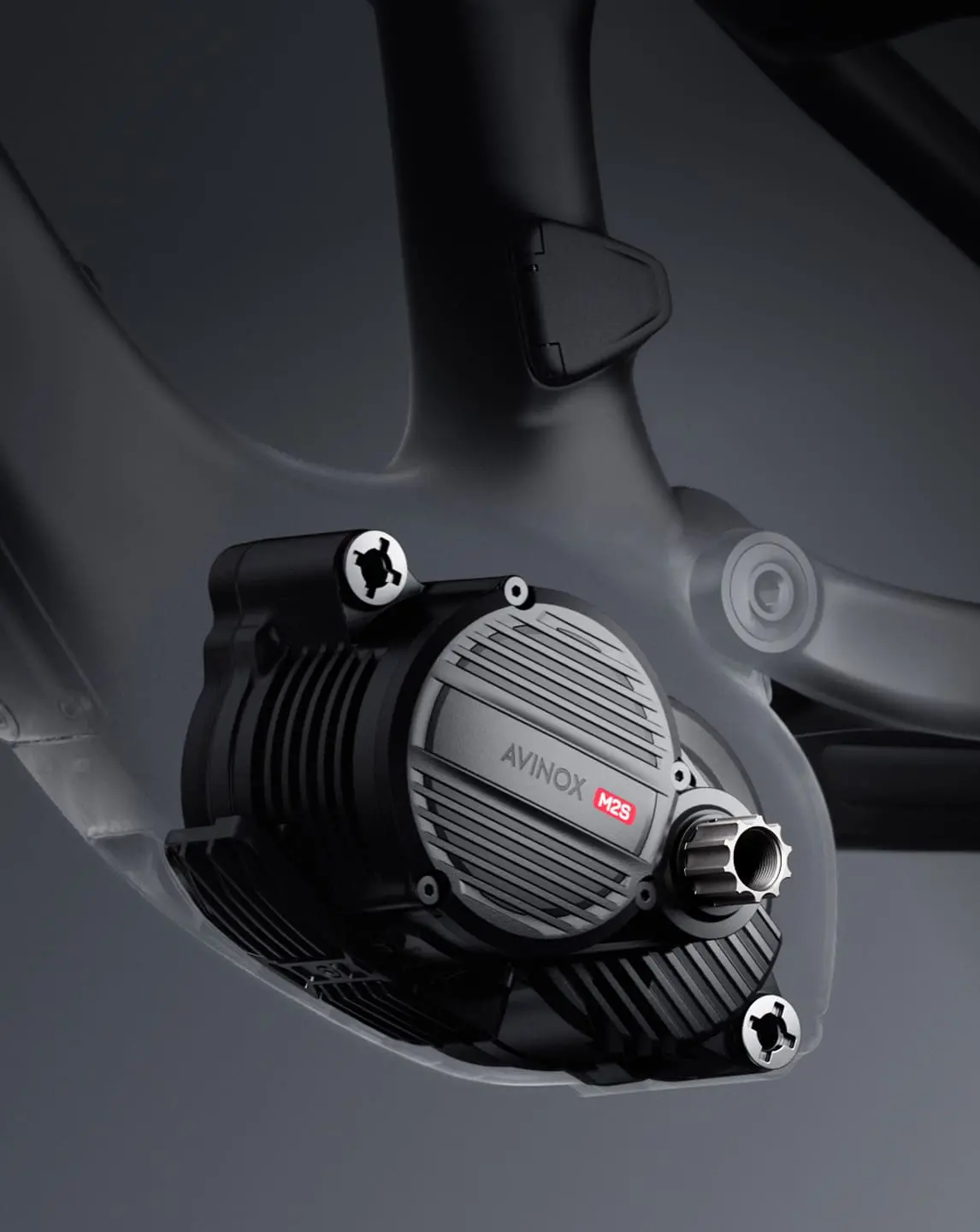
How Does an Electric Bike Motor Work?

How an E-Bike Motor System Works


A pedal-assist e-bike typically follows a simple chain:

Rider input → sensors → controller → motor → drivetrain or wheel

The battery stores electrical energy. The motor converts that energy into mechanical drive. Sensors measure rider or bike inputs, while the controller determines how much assistance the motor should provide.

These parts work together continuously rather than as separate components.

How Sensors and Controllers Shape Your Ride


When you push harder on the pedals, for example, a torque-sensing system can detect the increase in force and request more assistance. When you ease off, support can decrease with you. Speed and cadence data can further influence how the system responds.

A torque sensor measures how hard the rider is pedaling. A cadence sensor measures whether, and how quickly, the cranks are turning. Systems built around torque sensing can make assistance feel closely connected to rider effort, while cadence-based systems can deliver support in broader steps.

The controller then shapes that assistance. It affects how quickly power arrives, how strongly it builds, and how the motor responds when terrain or rider input changes.

That is why motor performance is not simply about how much power a drive unit can produce. How that power is delivered matters just as much.

Main Types of E-Bike Motors

Most e-bike motors use one of two layouts: hub drive or mid-drive.

The main difference is where the motor sits and how its output reaches the wheel.

Mid-Drive Motors
Hub Motors
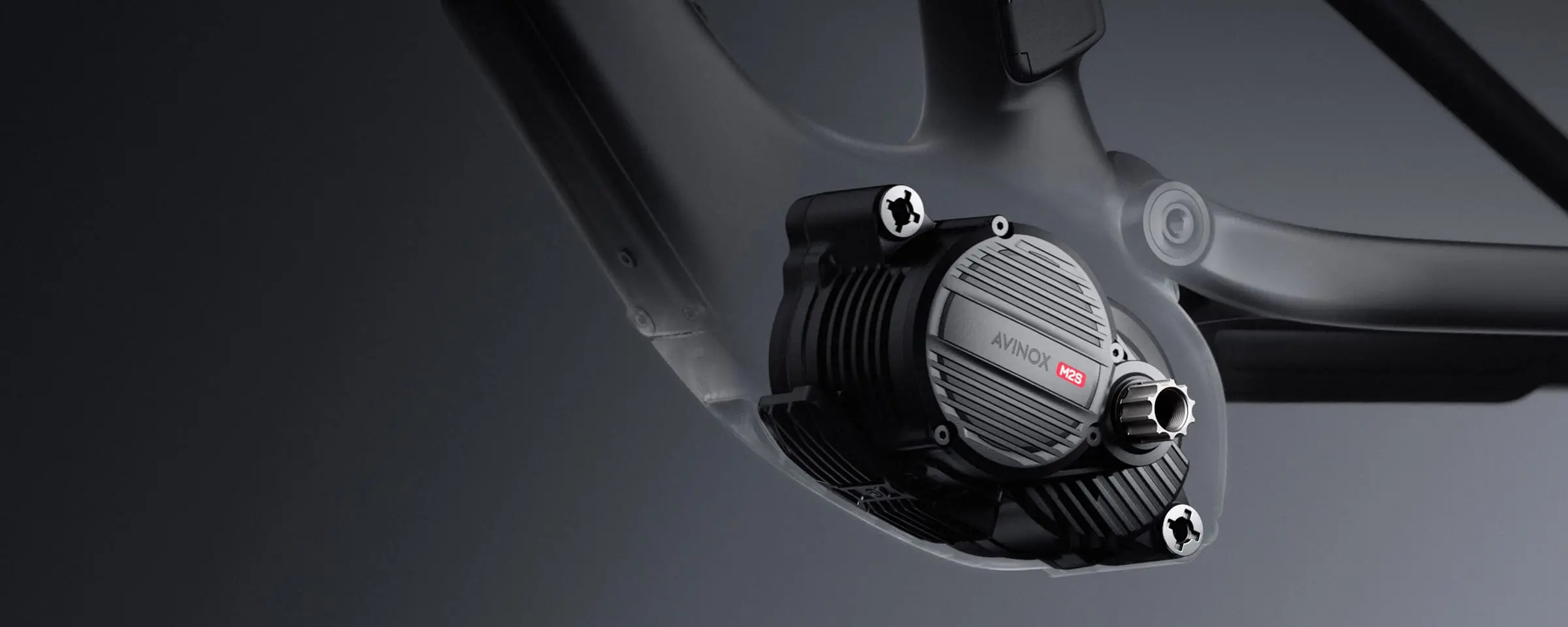
Located at the crank, mid-drives use the bike's gears for optimal efficiency on steep climbs, technical trails, and loaded rides. Avinox uses this mid-drive architecture to deliver superior high-torque power across changing terrain.
Located in the front or rear wheel, hub motors drive it directly. Bypassing the chain reduces drivetrain load. This simple, straightforward layout offers consistent assistance, making it widely used for urban commuting and everyday riding.

Hub Motor vs Mid-Drive Motor

Neither design is automatically better. The right architecture depends on the bike and what it needs to do.For a closer comparison, see Mid-Drive vs Hub Motor: Which Is Better?

E-Bike Motor Specs Explained

Motor specifications are most useful when read together.

A large number in one column does not necessarily make one motor better than another.

Why Same-Watt E-Bikes Feel Different?

Rated wattage tells you one thing: rated power.

It does not tell you how the complete system will feel on a steep climb, when starting on loose ground, or after several minutes of sustained load.

Several factors explain the difference.

Motor location and gearing. A mid-drive can use the bicycle's gears. A hub motor drives the wheel without using the cassette in the same way. That changes how motor speed relates to bike speed and climbing load.

Torque delivery. Two motors with similar maximum torque can deliver it differently. One may build support gradually, while another reaches strong assistance quickly. They may also maintain torque across different cadence ranges.

Sensors. The system has to know what the rider is doing before it can respond. The type of sensor, the number of inputs, and how quickly they are interpreted affect ride feel.

Control logic. Software determines how the system turns sensor data into motor assistance. This is why a motor can feel smooth in one mode, more aggressive in another, or adapt assistance as riding resistance changes.

Battery and controller capability. The drive unit cannot use power that the rest of the system cannot supply. Battery configuration and controller limits therefore form part of the performance envelope.

Heat. Short-term peak output and sustained output are different demands. A system also needs to manage the heat generated when high assistance continues for longer periods.

Watts: Rated Power vs Peak Power

Watts measure power, but an e-bike specification may show more than one power figure.

Rated power, sometimes described as nominal or continuous power, refers to output the motor is rated to provide on a sustained basis under defined conditions.

Peak power is a higher output available under specific conditions, usually for a shorter period.

A motor can therefore have a 250 W rated figure while producing substantially more power when additional output is needed. Peak figures also depend on how the manufacturer defines and tests them, so they should not be compared without context.

This is particularly important when e-bike power figures are used for both performance comparisons and regulatory classification. For a deeper breakdown, see E-Bike Motor Wattage Explained.

Torque: What Does Nm Tell You?

Torque is rotational force, measured in newton-metres, or N·m.

In riding terms, torque is especially relevant when starting from low speed, accelerating, climbing, or moving a heavier bike. Higher available torque can reduce the amount of rider effort needed in those situations.

Peak torque still does not tell the whole story.

A motor may produce its maximum torque only in part of its operating range. How quickly torque builds, how it changes with cadence, and how effectively the drivetrain converts it into force at the wheel all affect what the rider feels.

Assist ratio is another useful figure.

It describes how strongly the system can amplify rider input. A high assist ratio does not mean the motor is always giving maximum support; sensors and control logic determine when that assistance is delivered.

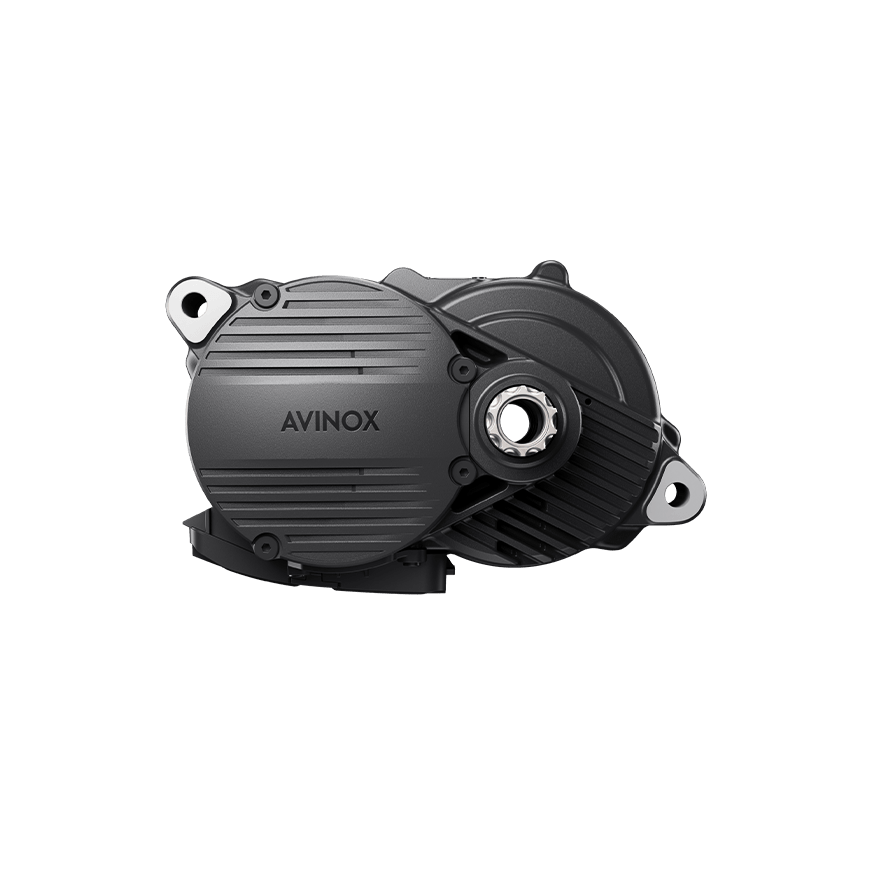
For example, the current Avinox M1, M2, and M2S drive units each support a maximum assist ratio of 800%. The figure describes available assistance relative to rider input, while the actual response still depends on riding mode, sensing, and system control.

Weight also matters. A lighter drive unit can reduce complete-bike weight and help preserve handling characteristics, while a heavier motor may be worthwhile when greater output or other capabilities justify it. Looking at torque or power relative to drive-unit weight can therefore reveal more than either figure alone.

Thermal management becomes important when high output has to be sustained.

Motors and power electronics generate heat under load, so cooling can affect how consistently a system performs during a long climb rather than a short burst.

The Avinox M2S, for example, combines a temperature sensor with cooling fins and flat-wire windings. These features are designed to improve heat dissipation and support sustained high-output operation.

Noise and pedaling resistance are less dramatic specification-sheet numbers, but they affect every ride. Gear design, internal friction, and how freely the system pedals when assistance is low or off all contribute to the overall experience.

A useful motor comparison therefore looks at power, torque, assist behavior, weight, efficiency, thermal performance, and ride characteristics together.

How Much Power & Torque Do You Need?

There is no single power or torque figure that suits every e-bike.

The right level depends on terrain, total bike and rider weight, gearing, intended use, and the kind of assistance the rider expects.

Flat urban riding

For flat urban riding, prioritize battery efficiency, a lightweight design, and smooth motor assistance for a seamless daily commute.

Hilly commuting

Hilly commuting requires strong motor torque, appropriate gearing, and sustained power output to effortlessly conquer steep inclines.

Cargo or heavier loads

Hauling cargo or heavier loads demands massive low-speed torque, optimized gearing, and excellent thermal performance to prevent overheating.

General trail riding

For general trail riding, focus on a lightweight setup combined with quick motor response and precise control to navigate varied off-road terrain.

Technical eMTB

Technical eMTB riding demands abundant torque reserve, precise control, superior cooling, and a high power-to-weight ratio for extreme trails.

How to Choose the Right E-Bike Motor?

Start with the bike and how it will actually be used.

Match the motor to the terrain. Flat roads, long gradual climbs, steep technical trails, and loaded riding create different demands. Choose around normal use rather than an extreme scenario that rarely occurs.

Decide how the assistance should feel. Some riders prefer a strong, obvious boost. Others want assistance that tracks pedal pressure closely. Sensor design and control tuning are central to that difference.

Consider complete-bike weight. More motor does not automatically mean more bike. Drive-unit weight, battery size, frame design, and drivetrain all contribute to the final system.

Look at sustained performance as well as peak output. A short acceleration and a long climb test a motor differently. Torque delivery, battery pairing, efficiency, and cooling become more important as the load continues.

Considering Avinox?

The three current Avinox drive units are designed around different performance priorities rather than simply increasing size and weight as output rises.

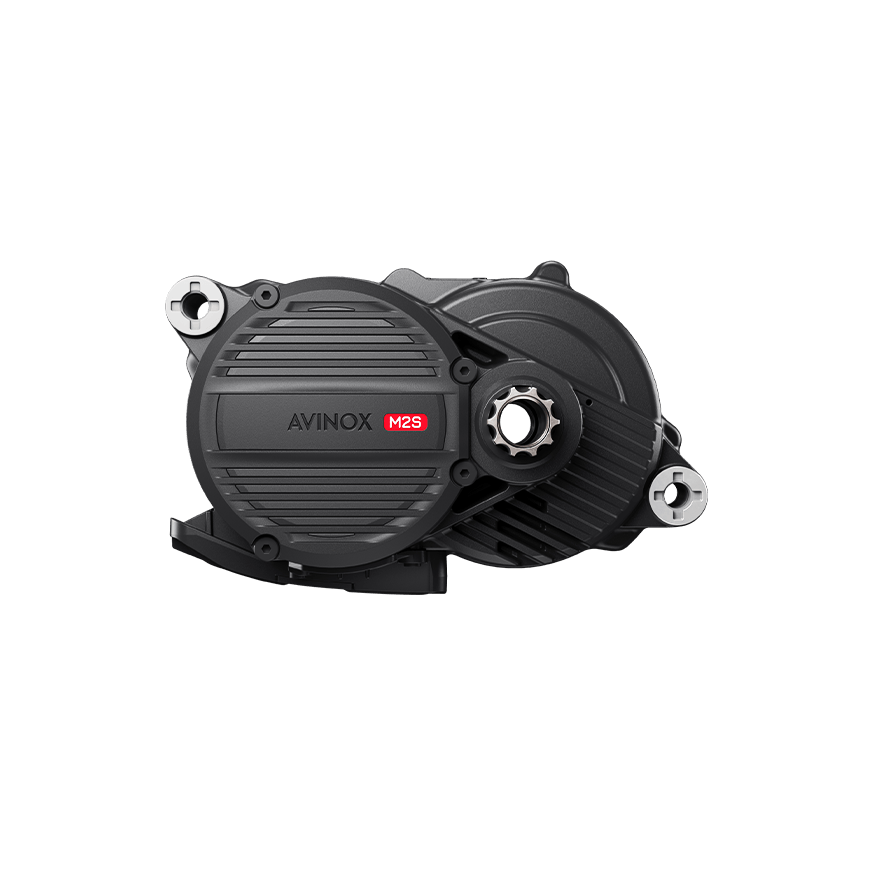
M1 is the lightest of the three. At approximately 2.52 kg, it combines 105 N·m in regular assist with 120 N·m in Boost and 1000 W peak power. It makes sense where keeping drive-unit weight down is a central part of the bike's design.

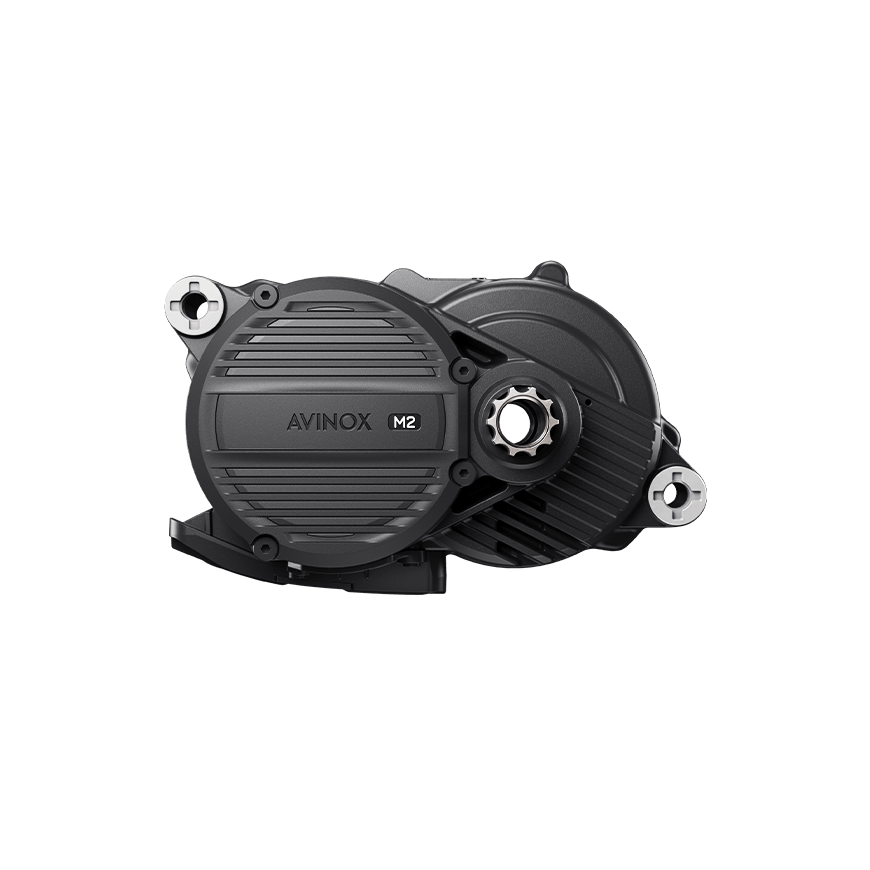
M2 raises regular-assist torque to 110 N·m and Boost torque to 125 N·m, with 1100 W peak power. Its official specifications also list low pedaling resistance, making it a strong option where broad performance matters without moving to the M2S's maximum torque level.

Avinox Drive Unit Comparison

Check the Rules in Your Market

E-bike rules differ between markets, and the same power figure can have a different regulatory meaning depending on how it is defined.

Classification, approval, and access requirements should always be checked for the market where the bike will be sold or ridden.

For a fuller selection framework, see Electric Bike Motor Buying Guide.

United States

In the US, a "low-speed electric bicycle" is a 2- or 3-wheeled vehicle with operable pedals, a motor under 750 W, and a motor-only top speed below 20 mph. This doesn't replace state or local rules. See 15 U.S.C. § 2085.

European Union

In the EU, Regulation (EU) No 168/2013 excludes pedal-assist cycles with max continuous rated power ≤250 W, where motor output stops when pedaling stops and cuts off before 25 km/h. See Regulation (EU) No 168/2013.

Great Britain

In Great Britain, an EAPC must have pedals capable of propelling the cycle, a motor with max continuous rated power ≤250 W, and electrical assistance that cuts off at 15.5 mph. See the UK Government EAPC guidance.

Motor Maintenance & Common Issues

A problem that feels like motor failure does not always originate inside the motor.

The battery supplies power, sensors tell the system when and how to assist, the controller manages output, connectors carry signals and current, and the drivetrain transfers mechanical force. A fault in any of these areas can reduce or stop assistance.

If a motor stops assisting, begin with the visible system: battery status, error messages, connectors, sensors, and obvious drivetrain problems. Opening the drive unit should not be the first diagnostic step.

See E-Bike Motor Not Working: A Step-by-Step Troubleshooting Checklist.

Changes in sound can also help narrow down a problem.

A normal motor may produce a consistent hum under load. A new click, grind, scrape, or whine deserves attention, but it does not automatically mean an internal motor failure. Chains, cassettes, chainrings, bearings, mounting hardware, and other drivetrain components can produce similar symptoms.

Electric Bike Motor FAQ

Build With Avinox

Avinox manufactures compact e-bike drive systems that bring together drive units, batteries, intelligent sensing, rider controls, and connected features. The current drive-unit range spans different combinations of weight, torque, and peak output, giving bike developers more flexibility to match the system to the intended platform.