E-Bike Motor Wattage Explained: What Power Rating Do You Actually Need?

The right e-bike motor power rating depends on your terrain, total riding weight, required assistance, motor design, and the regulations that apply where you ride. Wattage measures power, but the number alone does not determine acceleration, climbing ability, top speed, or how strong a motor will feel.

Start by identifying what the published wattage represents. Rated power and peak power describe different operating conditions. Torque, motor speed, gearing, controller behavior, and the complete drive system then determine how that available power translates into riding performance.

What Does E-Bike Motor Wattage Mean?

E-bike motor wattage measures power, or the rate at which energy is transferred or work is performed. One watt equals one joule per second.

On the electrical side of an e-bike drive system:

Electrical power (W) = Voltage (V) × Current (A)
Mechanical motor output follows a different relationship:

Mechanical power (W) = Torque (N·m) × Angular speed (rad/s)
Electrical input and mechanical output are related, but they are not identical. The controller, wiring, and motor introduce losses, so electrical input power should not automatically be treated as mechanical output power.

A published watt figure may also refer to rated output, continuous rated output, peak mechanical output, maximum output, or electrical input. Check the definition before comparing motors.

Rated Power vs. Peak Power: What Is the Difference?

Rated power describes a defined motor power rating, while peak power describes a higher output that the drive system can reach under specified conditions. A motor rated at 250 W can therefore deliver substantially more than 250 W during shorter periods of higher demand.

Motor specifications may use terms such as:

• rated power
• nominal power
• continuous rated power
• maximum power
• peak power

Continuous rated power generally describes output associated with sustained operation under defined conditions, while peak power refers to a higher output available for shorter periods or under specific operating conditions. Peak output can depend on factors such as battery capability, controller limits, motor speed, operating mode, temperature, and software settings.

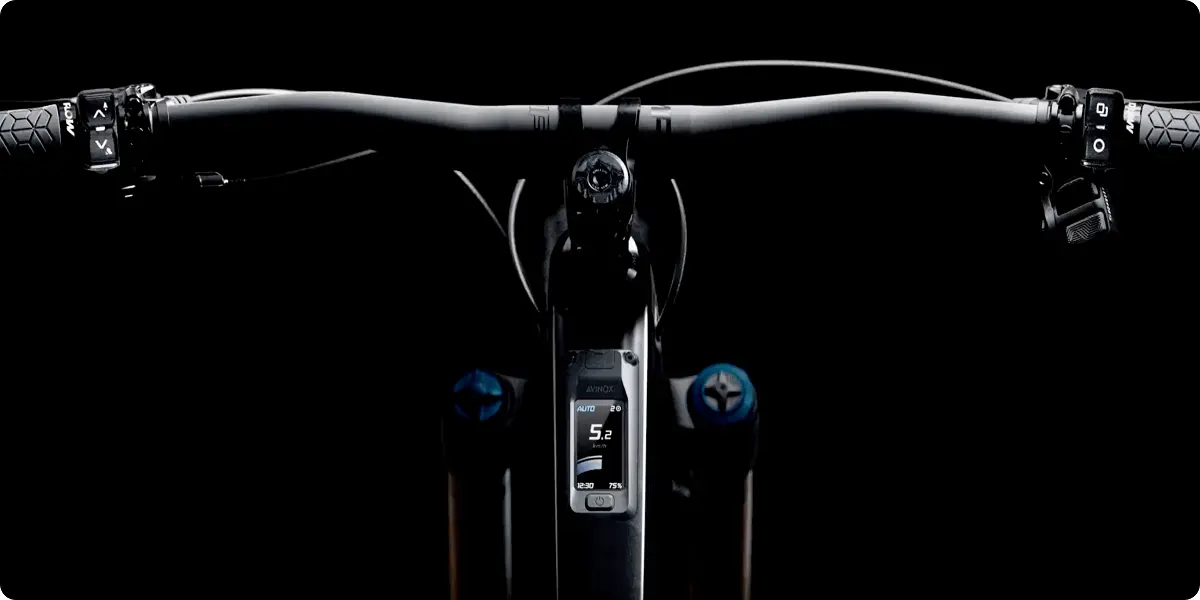
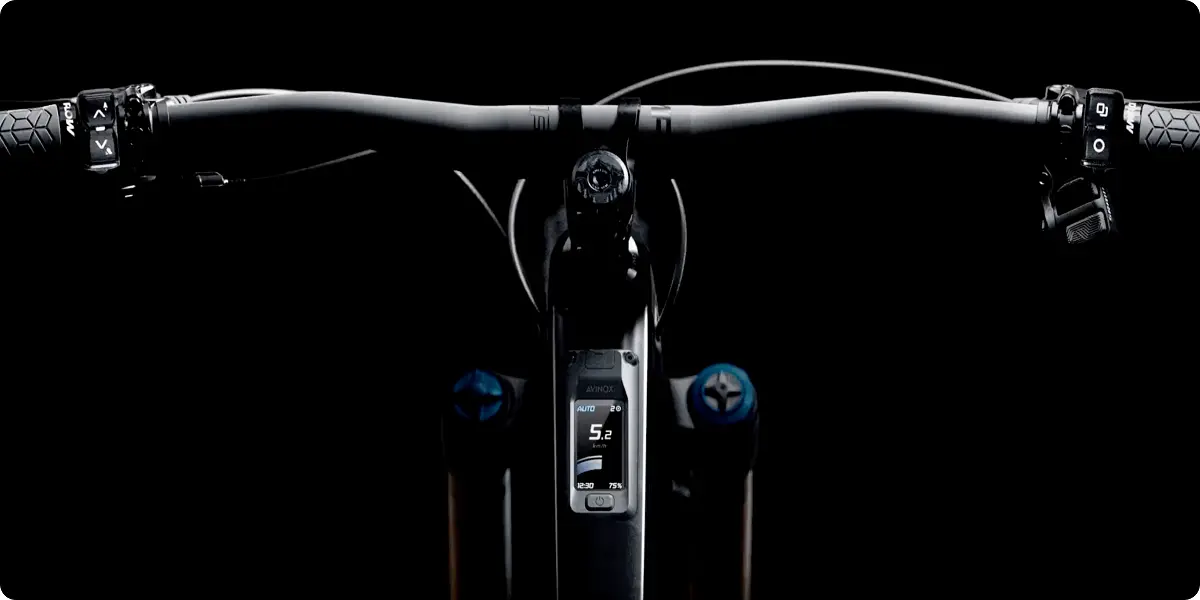
The current Avinox M1, M2, and M2S drive units illustrate the difference. All three are rated at 250 W, while their listed peak outputs are 1,000 W, 1,100 W, and up to 1,500 W respectively. On the M2S, peak output also varies with battery configuration, showing why maximum power should be understood as a drive-system specification rather than a motor rating in isolation.

This is why a 500 W motor cannot automatically be considered more powerful than a 250 W motor unless both figures use the same rating basis. Peak power also does not describe sustained performance, since prolonged high-load output may be limited by the electrical and thermal capabilities of the complete drive system.

How Is Wattage Different from Torque and Other E-Bike Specs?

Wattage measures power, while torque, voltage, current, and battery capacity describe different characteristics of the drive system. They should not be treated as interchangeable performance figures.

Power is measured in watts (W) and describes the rate at which work is performed.

Torque is measured in newton meters (N·m) and describes rotational force.

Voltage is measured in volts (V) and describes electrical potential. Current is measured in amps (A) and describes electrical current.

Battery energy is measured in watt-hours (Wh) and describes stored electrical energy.

Battery charge capacity is measured in amp-hours (Ah) and describes electrical charge capacity.

Watts vs. Torque


Torque describes rotational force, while power describes how quickly work can be performed at a given rotational speed.

Mechanical power depends on both torque and rotational speed. A motor may produce high torque at low speed without maintaining the same torque as motor speed rises.

This relationship matters when climbing. Strong low-speed torque helps produce the wheel force needed to start or continue moving on steep terrain. Sufficient power is then required to maintain useful force as climbing speed increases.

The common shorthand that torque determines climbing while watts determine speed is therefore incomplete. Motor speed, gearing, total mass, gradient, and the torque available across the operating range all affect performance.

Watts vs. Watt-Hours


Watts measure power, while watt-hours measure energy. A 750 Wh battery stores a nominal amount of electrical energy. It does not mean that the motor produces 750 W. Wattage describes how quickly energy is being used or mechanical work is being performed at a given moment. Watt-hours describe how much energy is available over time.

What Does Higher E-Bike Motor Wattage Actually Affect?

Higher available motor power can improve acceleration, climbing at a given speed, performance under heavier loads, and sustained assistance when demand increases. The outcome still depends on torque, gearing, motor speed, controller behavior, and the complete bike.

Acceleration
Hill Climbing
Rider and Cargo Weight
Top Speed
More available power can support stronger acceleration, while initial low-speed response also depends heavily on wheel torque. Torque, gearing, wheel size, controller tuning, and motor response affect the force available at the tire. As speed increases, maintaining driving force requires progressively more power. Two motors with similar peak wattage can therefore accelerate differently.
More available power can help maintain climbing speed under load, while torque, gearing, motor speed, gradient, and total weight determine how effectively that power can be used.

A short technical climb may place greater emphasis on low-speed torque and peak output. A long climb places more emphasis on sustained output and the motor's ability to remain within its operating limits. Mid-drive systems can also use the bicycle drivetrain. Lower gearing allows the motor to operate at a different rotational speed while increasing torque at the wheel.
Greater total weight increases the power required for acceleration and climbing. The effect becomes more significant on gradients because the motor must lift the combined mass of the bike, rider, and cargo against gravity. For heavier loads, wheel torque and sustained motor output deserve more attention. Motor wattage does not replace the bicycle manufacturer's limits for frame, wheels, tires, drivetrain, suspension, or brakes.
Motor wattage alone cannot determine an e-bike's top speed. Assisted speed may first be limited by system configuration or regulation. Beyond that, speed is affected by motor RPM, gearing, wheel size, controller limits, system voltage, rider input, gradient, rolling resistance, and aerodynamic drag. Aerodynamic power demand rises rapidly as speed increases. Doubling available motor power therefore does not double the top speed of an otherwise identical bike.
Why Can Two E-Bike Motors With the Same Wattage Perform Differently?

Two motors with the same rated wattage can deliver very different riding performance because the watt rating describes only one part of the drive system.

Peak power determines the additional output available during high demand.

Torque affects rotational force and low-speed response.

The torque curve shows how torque changes as motor speed rises.

Operating speed range affects where useful torque and power remain available.

Motor architecture changes how motor output reaches the wheel.

Gearing changes wheel torque and motor operating speed.

Controller tuning determines how and when power is delivered.

The assistance algorithm changes the relationship between rider input and motor assistance.

Battery capability can limit available electrical power.

Efficiency affects how input power becomes mechanical output.

Thermal management influences output during sustained high load.

Bike weight changes the power required for acceleration and climbing.

Motor architecture can make a particularly large difference.

A mid-drive transfers power through the bicycle drivetrain, so changing gears alters the relationship between motor speed and wheel speed. A hub motor drives the wheel directly or through its own internal reduction system.

A 500 W hub motor and a 500 W mid-drive therefore should not be expected to provide identical climbing ability, acceleration, or riding characteristics simply because their watt ratings match.

250 W vs. 500 W vs. 750 W: What Do the Ratings Mean?

A 250 W, 500 W, or 750 W rating is useful only when the figures describe the same type of power under comparable conditions.

A 250 W rating tells you the stated motor power rating is 250 W. It does not tell you peak output, torque, top speed, or climbing performance.

A 500 W rating tells you the stated rating is higher than 250 W when both use the same definition. It does not tell you whether it will outperform every 250 W drive system.

A 750 W rating tells you the motor has a higher stated rating when measured on the same basis. It does not tell you whether it is suitable or classified as an e-bike in a particular market.

A 250 W rated motor can still provide substantial assistance if it combines higher peak output, suitable torque, effective gearing, and appropriate control. A 500 W figure represents more power only when it is being compared with the same type of rating. A genuine 750 W continuous rating represents substantially more continuous power than a comparable 250 W rating, but it still does not determine climbing ability, top speed, or suitability on its own. Rated power, peak power, and motor architecture need to be separated before the numbers become useful for comparison.

How Much E-Bike Motor Power Do You Actually Need?

Choose motor power according to the load, terrain, and type of assistance the drive system needs to provide, then confirm that the resulting configuration is appropriate for where the bike will be ridden. There is no single wattage that fits every rider.

Flat or gently rolling riding: prioritize appropriate rated power, efficiency, smooth assistance and system weight.

Frequent hills: prioritize torque, gearing, rated power and total riding weight.

Steep technical climbs: prioritize low-speed torque, gearing, peak output and motor operating range.

Long sustained climbs: prioritize sustained power, thermal performance, efficiency and battery capability.

Heavy rider or cargo: prioritize wheel torque, sustained power and total bike load rating.

Frequent acceleration: prioritize torque response, controller tuning and available peak power.

Higher assisted-speed use: prioritize available power, aerodynamic demand, braking and local vehicle classification.

For ordinary pedal-assisted riding, selecting the largest available wattage is not a useful starting point. The motor needs enough power for the required load while remaining appropriately matched to the drivetrain and bike.

For steep e-MTB terrain, peak output becomes more relevant when short periods of additional assistance are required. Torque, gearing, motor speed range, and sustained output remain just as important.

For heavy loads, repeated acceleration, or prolonged demanding terrain, higher sustained power can provide useful additional capacity where the applicable vehicle category permits it.

The useful question is therefore:

How much rated power, peak power, and wheel torque does this riding condition require, and how does the complete drive system deliver them?

How Do E-Bike Power Limits Vary by Market?

E-bike power limits vary by market, and the regulations do not always use the same definition of motor power. A watt figure should therefore be checked against the rules that apply where the bike will be used.

United States: the federal low-speed electric bicycle definition includes a motor of less than 750 W, while state and local operating rules may add separate requirements.

Great Britain: EAPCs are limited to 250 W maximum continuous rated power, with assistance cutting off at 15.5 mph.

Ireland: pedal-assisted e-bikes within the standard bicycle category use a 250 W power limit and 25 km/h assistance threshold.

Ontario, Canada: provincial e-bike requirements currently include a motor not exceeding 500 W and a 32 km/h assisted-speed limit.

New South Wales, Australia: current qualifying e-bike rules allow up to 500 W maximum continuous rated power, with changes toward a 250 W framework scheduled through the announced transition.

New Zealand: a power-assisted cycle may use auxiliary electric motors with combined maximum power not exceeding 300 W.

Current requirements can be checked through the U.S. Consumer Product Safety Commission, UK Government, Road Safety Authority in Ireland, Ontario Government, NSW Government, and NZ Transport Agency.

When comparing motors across markets, check the exact wording used in the applicable regulation. Continuous rated power, maximum output, assisted speed, and motor-only operation are separate criteria and should not be treated as equivalent.

How Should You Compare E-Bike Motor Power Ratings?

Compare e-bike motor wattage only after confirming what the rating represents, then assess torque, peak output, motor architecture, operating range, and sustained performance alongside it. Use this sequence:

  • Identify the rating type. Confirm whether the figure is rated, continuous rated, peak, maximum, electrical input, or mechanical output.
  • Check the conditions attached to the rating. Peak power may depend on battery configuration, assistance mode, motor speed, temperature, software, or duration.
  • Compare torque. Maximum torque helps describe low-speed force, but it should be assessed together with motor speed and available power.
  • Check the operating range. Determine whether useful torque and power remain available as cadence or motor RPM changes.
  • Identify the motor architecture. Mid-drive and hub-drive motors transfer available power to the wheel differently.
  • Consider gearing. Gearing can materially change wheel torque and the motor's operating point, particularly with a mid-drive.
  • Consider sustained output. Peak wattage does not describe how a drive system performs throughout a long climb or another extended high-load condition.
  • Account for the complete riding load. Rider weight, bike weight, cargo, gradient, terrain, and intended speed all change the required power.
  • Check the applicable market definition. Confirm that the rated power and assisted-speed configuration fit the vehicle category and riding environment where the bike will be used.

  • A larger watt figure is useful only when the ratings are comparable and the additional power addresses a real riding requirement.

    E-Bike Motor Wattage FAQs