Insights Blog
E-Bike Motor Repair Guide: Common Faults, Costs, and When to Replace
Most e-bike motor problems are fixable, and many are not caused by the motor at all. The fastest path to a reliable fix is to separate a system-level fault, such as the battery, controller, a sensor, a dragging brake, or a software setting, from a genuine drive-unit fault before any part is replaced. This guide walks through the common faults, the safe checks you can make yourself, realistic costs, and the point where replacing the motor beats repairing it.
Common e-bike motor faults and how to diagnose them
A change in how the bike rides or a message on the display is usually the first clue. What you do in the next few minutes decides whether you face a cheap fix or an expensive one, so it pays to observe before you conclude the motor has failed.
Symptoms and their likely causes
Different faults often produce the same symptom, which is why a symptom points you toward a group of causes rather than a single one.
| Symptom | Common likely causes |
|---|---|
| Motor cuts out or surges | Loose or corroded connector, hall sensor fault, controller |
| Error code on the display | Sensor or wiring fault, controller communication error |
| Grinding or whining noise | Worn bearings, damaged gears in a mid-drive, debris |
| Reduced power or range | Aging battery, worn drivetrain, dragging brake, sensor |
| No power at all | Blown fuse, severed wire, dead controller, burnt windings |
Safe checks to narrow down the cause
These checks do not require opening the motor and will not affect your warranty. Work through them before assuming the drive unit is the problem.
-
Display and battery: Check that the display powers on and the battery is fully charged and seated. If you have a second charged battery, try it, which rules power and battery in or out.
-
Error code: Note any code and whether it appears every time or only now and then. A consistent code points to a specific fault, while an intermittent one often signals a loose connection.
-
Restart: Power the system fully off and on to see if the issue clears on its own.
-
Free spin: With the bike switched off, spin the rear wheel and turn the pedals. Drag, grinding, or a seized feel points to a brake or bearing rather than the motor.
-
Cables and connectors: Check that visible cables and connectors are intact and seated, without pulling on them.
-
Pattern: Notice when it happens. If assistance only drops on long climbs, under heavy load, in the heat, or right after a firmware update, suspect thermal limiting, a sensor, or a software setting rather than a failed motor core.
When to stop riding and get it inspected
Some signs mean you should stop and have the system inspected rather than diagnose further. Stop riding if you notice a burning smell, unusual heat from the motor, smoke, loud mechanical grinding or knocking, damaged or exposed wiring, power cutting in and out repeatedly, or any abnormal behavior after the bike has been exposed to water. In these cases, do not power on, ride, or charge the bike until it has been inspected.
Hub motor vs mid-drive motor repair
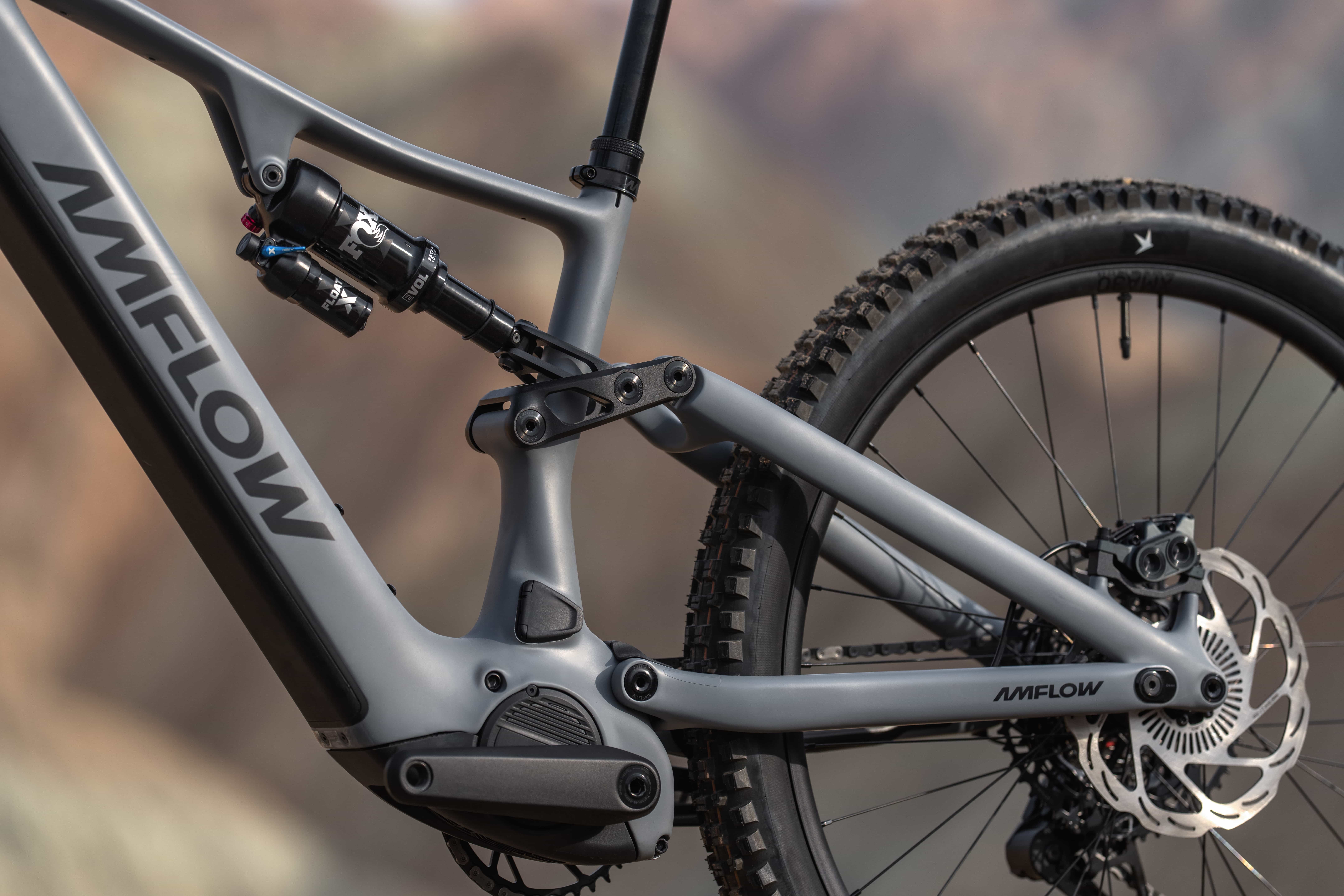
Where the motor sits changes how it is repaired and what it costs. A rear or front hub motor is a self-contained unit. Many faults are solved by replacing the whole hub, which is often relatively affordable, and some hubs can be rebuilt with new bearings, a hall sensor, or gears. A mid-drive motor is integrated with the frame and drivetrain and is usually more complex to open. Many are built as sealed units that a dealer or specialist services or swaps rather than repairs on the spot. The practical takeaway is that a hub motor tends to be simpler and cheaper to replace, while a mid-drive delivers a more natural ride but relies more heavily on brand or specialist service.
E-bike motor repair and replacement costs
Costs vary widely by motor type, brand, local labor rates, and region, so it helps to see what drives each kind of bill rather than a single number. The table below gives rough ranges and, more usefully, what actually determines the price.
| Job | Rough cost range | What drives the cost |
|---|---|---|
| Diagnostic and fault-finding | ~$75 to $150 | Often credited toward the repair if you proceed |
| Sensor or connector fix | ~$75 to $400 | Cheap part, so the bill is mostly labor |
| Bearing or gear rebuild | usually less than a new unit | Labor-heavy, modest part cost |
| Hub motor replacement | lower end of replacements | Self-contained unit, quicker to swap |
| Mid-drive replacement | higher, can exceed $1,000 | Complex fit and brand-specific parts |
The pattern to notice is that a cheap part does not always mean a cheap repair, because labor can outweigh the component. Always ask for a written quote that separates parts from labor before approving work, and compare it against the price of a new motor.
When to repair and when to replace your motor
How to weigh repair against replacement
A common rule of thumb is that once a repair approaches half the price of a comparable new motor, replacement tends to be the better long-term choice, but treat that only as a starting point and include labor and the bike's remaining value in the math. The fault itself points the way: worn bearings, a bad sensor, or a wiring fault usually favor a repair, while burnt windings, a cracked case, or an internal short often mean the drive unit needs replacing. Beyond the fault, weigh the age and condition of the bike, whether parts are still available, and whether the motor is under warranty, since sinking money into an aging frame or waiting months for a discontinued part rarely pays off.
What to look for in a replacement motor
If replacement is the answer, it is worth knowing what tends to force it in the first place. Water ingress and sustained overheating are two of the most common reasons a motor reaches the point of no repair, through corroded windings or a burnt core. When you choose your next drive system, those two failure modes are worth designing against, which is where ingress protection and cooling come in. Our Avinox drive system is built with an IP66 rating against dust and water and a cooling design that pairs a temperature sensor with cooling fins and flat-wire windings. These measures are intended to address the same two stressors, water exposure and sustained thermal load, rather than to replace routine care.
Getting your motor serviced without losing your warranty
Once you know a repair or replacement is needed, how you approach service can protect both your warranty and your wallet. If the motor is still under warranty, start with the official channel, because unauthorized repairs or non-approved parts can void your coverage. Confirm what your warranty includes and what the claim process looks like before any out-of-warranty work begins. Check that spare parts are actually available for your motor and how long they take to arrive, since a cheap repair is no help if the part is back-ordered for months. And confirm that whoever does the work supports your specific system, because not every shop services every brand and some faults need brand-specific diagnostic tools.
A short call goes further if you arrive prepared. Before you contact service, record your motor model and serial number, any error codes, the firmware version, and the exact conditions when the fault appears. A short video or sound clip helps, and so does noting whether the bike was recently exposed to water, involved in an impact, or updated. That information often turns a guessing game into a same-visit fix.
How to make your e-bike motor last
Most expensive failures are avoidable with a few habits.
-
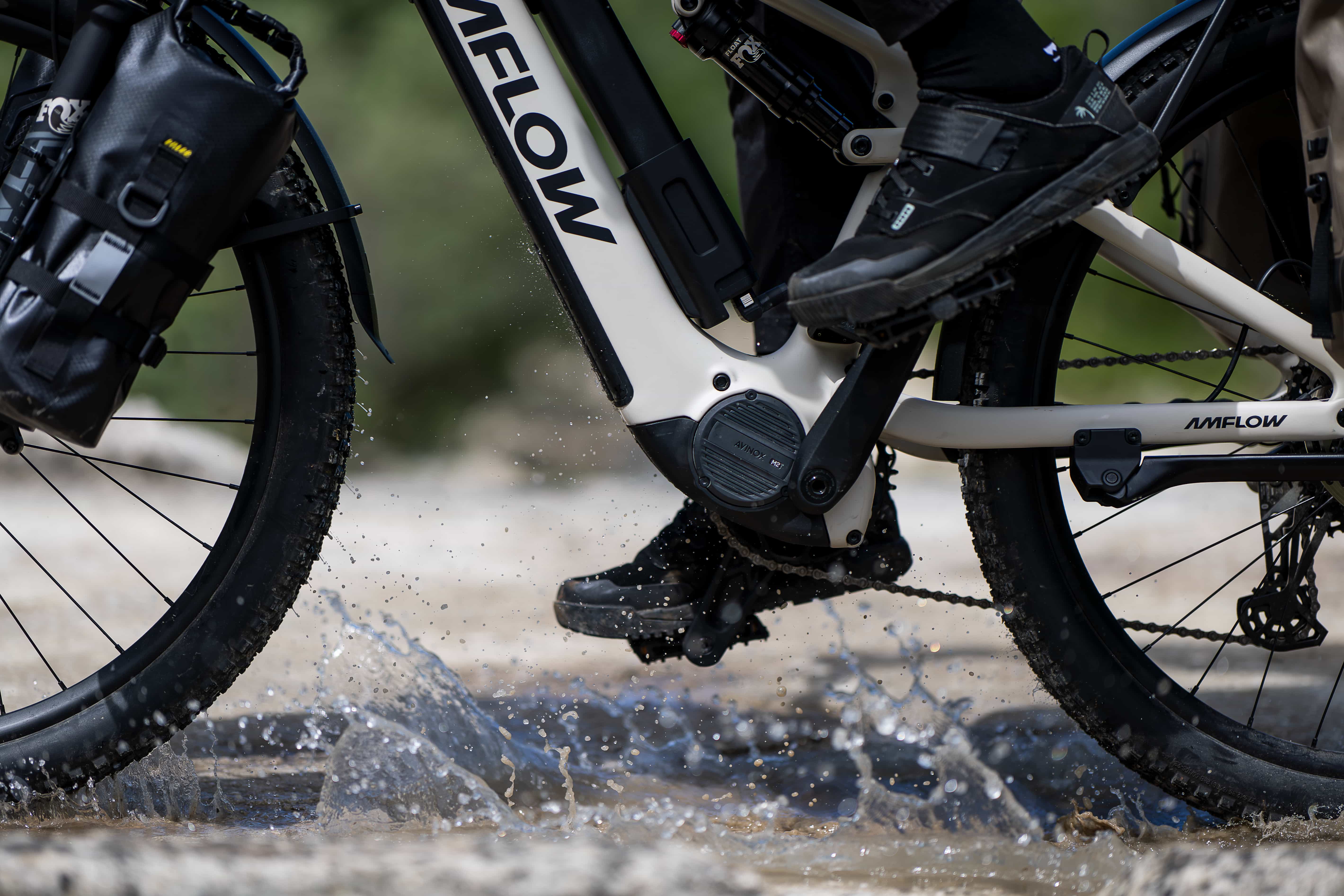
Keep water out: Skip the pressure washer, clean gently, and dry the motor area after wet rides.
-
Manage heat: Give the motor room to cool on long, steep climbs instead of holding maximum assistance the whole way up, since sustained heat under heavy load is hard on the windings.
-
Mind the drivetrain: Keep the chain clean and lubricated so the motor is not fighting a worn or gritty drivetrain.
-
Service on schedule: Follow your manufacturer's manual for seals and bearings rather than waiting for a noise, because preventive checks are far cheaper than a rebuild.
Frequently asked questions
Can I replace an e-bike motor myself?
Sometimes, especially with a hub motor, if you are comfortable with basic tools and wiring. Mid-drive units are more involved and often sealed, so many riders leave those to a dealer or specialist. Either way, an incorrect install can damage the motor or void the warranty, so weigh the savings against the risk.
How long does an e-bike motor repair usually take?
It depends on the fault and the parts. A sensor or connector fix can be same-day, while a rebuild or a replacement that needs an ordered part can take from several days to a few weeks. Parts availability is usually the biggest factor, so ask for an estimated timeline with your quote.
Can a water-damaged motor be saved?
Sometimes, if you act fast. Minor water ingress caught early can often be dried, cleaned, and resealed. But water that has corroded the windings or shorted the internals usually means replacement. Do not power on, ride, or charge the bike until it has been inspected.
How long do e-bike motors usually last?
Figures of 5 to 10 years or well over 20,000 miles are often cited, but real lifespan varies with the motor type, how hard it is worked, and how well it is maintained. Gentle use, dry storage, and regular servicing extend it; heat, water, and neglect shorten it.